How to Scale a Recipe Up or Down (Without the Maths)
Halve, double or turn a recipe for 4 into one for 6: the conversion factor, how to round eggs and spoons, and what to change for pans and baking times.
By the Matlaro teamPublished 7 min read
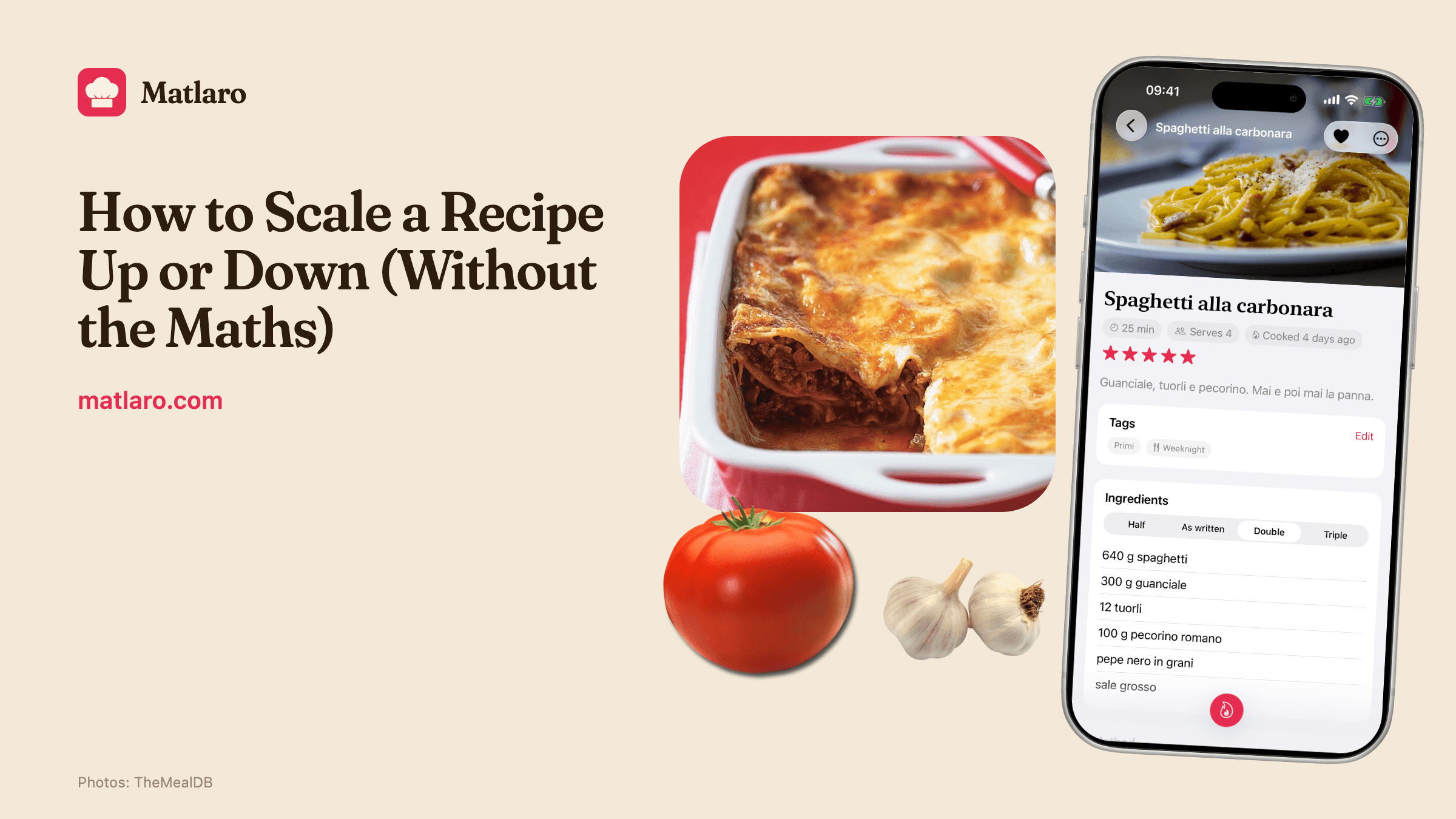
To scale a recipe, divide the servings you want by the servings the recipe makes, and multiply every amount by that number. A recipe for 4 that you want for 6 has a factor of 6 ÷ 4 = 1.5. Then round each amount to something you can actually measure, and adjust the pan and the cooking time, which do not scale the same way.
The multiplication is the easy bit. The rounding, the eggs and the oven are where scaled recipes go wrong, so most of this guide is about those, with real examples from recipes in Matlaro's catalogue.
Step one: find the factor
| You have | You want | Factor |
|---|---|---|
| Serves 4 | Serves 2 | 0.5 |
| Serves 4 | Serves 6 | 1.5 |
| Serves 2 | Serves 3 | 1.5 |
| Serves 8 | Serves 6 | 0.75 |
| Serves 4 | Serves 1 | 0.25 |
Write the factor at the top of the recipe before you touch an ingredient. It saves doing the division again for every line.
Step two: round to what you can measure
A scaled amount is only useful if you can measure it. Here is how to round each kind of ingredient, using the same rules Matlaro uses when you change the servings.
Grams and millilitres
Whole numbers under 20, then the nearest 5 up to 100, then the nearest 10. No one weighs 337 g of pasta.
Spoons
Stay in spoons you own: ⅛, ¼, ⅓, ½, ⅔ and whole. Three teaspoons become a tablespoon.
Eggs and cloves
Count them whole. 1.5 eggs becomes 2, and half a garlic clove is still a clove.
Tins and packs
Halves are fine: half a tin is easy. Quarters are not, so round up and use the rest elsewhere.
Worked example: Spicy Arrabiata Penne, 4 to 6
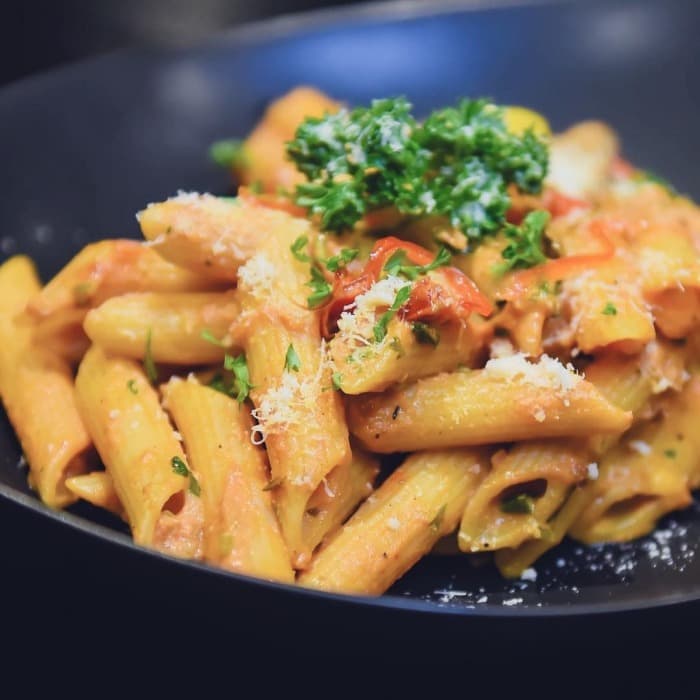
Spicy Arrabiata Penne
- 25 min
- Serves 4
- Italian
- 3 steps
Ingredients
 penne rigate450 g
 olive oil60 ml
 garlic3 cloves
- chopped tomatoes1 tin
 red chilli flakes½ tsp
 italian seasoning½ tsp
+ 2 more
Cook it step by step in Matlaro

Recipe data and imagery: TheMealDB
Factor 1.5. This is what the amounts become:
| Ingredient | For 4 | Exact × 1.5 | For 6 |
|---|---|---|---|
| Penne rigate | 450 g | 675 g | 680 g |
| Olive oil | 60 ml | 90 ml | 90 ml |
| Garlic | 3 cloves | 4.5 cloves | 5 cloves |
| Chopped tomatoes | 1 tin | 1.5 tins | 1½ tins |
| Red chilli flakes | ½ tsp | ¾ tsp | ¾ tsp |
| Basil | 6 leaves | 9 leaves | 9 leaves |
Going the other way, from 4 down to 1, the chilli flakes become ⅛ tsp and the tomatoes would be a quarter tin. That rounds up to half a tin, which is the honest answer: open the tin, use half, and freeze the rest.
Worked example: Kidney Bean Curry, 2 to 3
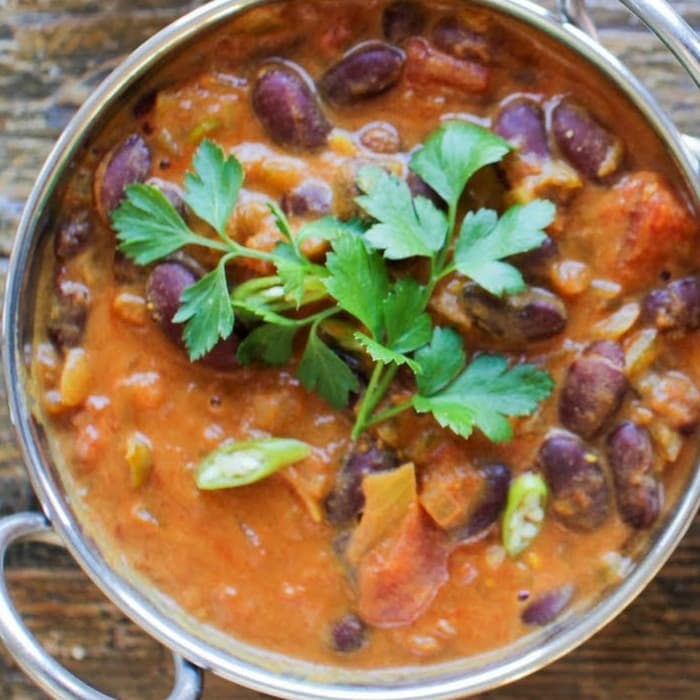
Kidney Bean Curry
- 25 min
- Serves 2
- Indian
- 3 steps
Ingredients
 Vegetable Oil1 tbsp
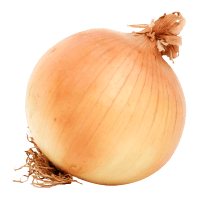 Onion1
- Garlic2 cloves
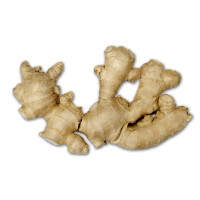 Ginger1 part
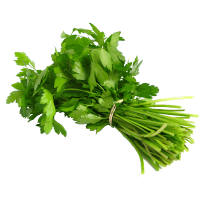 Coriander1 pack
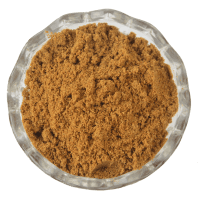 Cumin1 tsp
+ 5 more
Cook it step by step in Matlaro
Recipe data and imagery: TheMealDBOriginal recipe
Factor 1.5. The 2 teaspoons of garam masala become 3 teaspoons, which is exactly 1 tablespoon, so you use one spoon instead of three. The onion becomes 1½ onions, and the 400 g tins of tomatoes and beans become 600 g each.
Eggs: the ingredient that breaks the maths
Eggs cannot be split cleanly, and in baking they set the structure. Two options:
- Round to a whole egg when the recipe is forgiving: omelettes, fried rice, most savoury dishes.
- Beat and weigh when the recipe is not: cakes, custards, batters. Beat the eggs, weigh the bowl, and use the share you need by weight.
Yorkshire Puddings
- 45 min
- Makes 8
- British
- 7 steps
Ingredients
 Flour140 g
 Egg4
 Milk200 ml
 Sunflower Oil1 drizzle
Cook it step by step in Matlaro
Recipe data and imagery: TheMealDBOriginal recipe
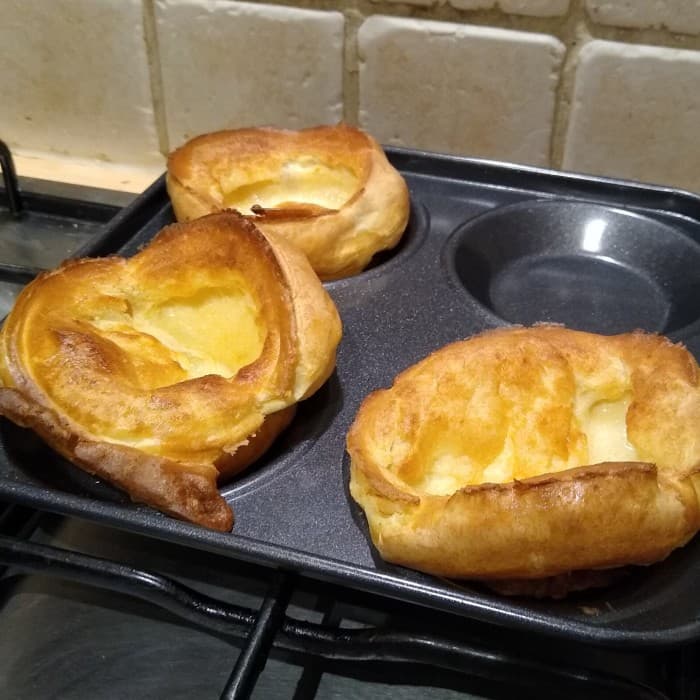
Yorkshire Puddings make 8 with 140 g flour, 4 eggs and 200 ml milk. For 6 that is 110 g, exactly 3 eggs and 150 ml. For 3 it is 55 g, 1.5 eggs rounded to 2, and 75 ml. The batter for 3 will be a touch eggier, which in this case is no bad thing. In a cake, you would beat and weigh instead.
Pans: scale by area, not diameter
When you double a cake, you do not need a pan twice as wide. You need twice the area.
| Round pan | Area |
|---|---|
| 18 cm | about 254 cm² |
| 20 cm | about 314 cm² |
| 23 cm | about 415 cm² |
| 26 cm | about 531 cm² |
| 28 cm | about 616 cm² |
A 20 cm cake doubled wants about 628 cm², so a 28 cm pan is close. Halving a 26 cm recipe lands near an 18 or 20 cm pan. A square 20 × 20 cm tin is 400 cm², a little more than a 23 cm round.
Cooking times do not scale
The same goes for:
- Frying and searing. Twice the meat does not fit in the same pan. Cook it in batches, or it steams instead of browning.
- Salt and chilli. Scale them, then taste before you add the last of it. Heat builds up in a large pot.
- Rising and resting. Dough rises on time and temperature. A bigger batch does not rise faster.
Let the app do the maths
In Matlaro, every recipe has a servings control. Change it and every amount follows, with the rounding above applied for you: 680 g, not 675; 5 cloves, not 4.5; 1 tablespoon, not 3 teaspoons.
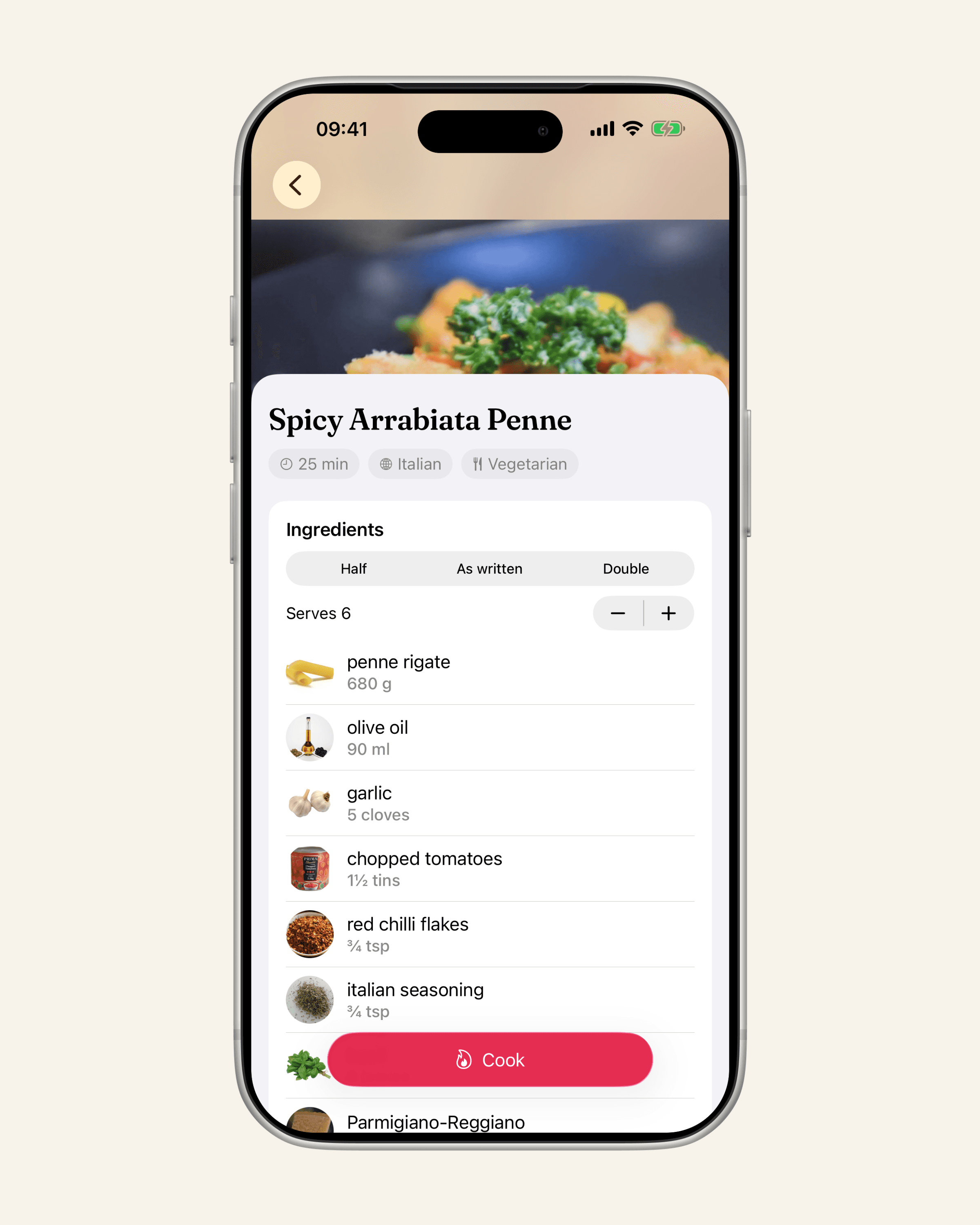
It works the same on recipes you save yourself, from a link, a photographed page or a caption.
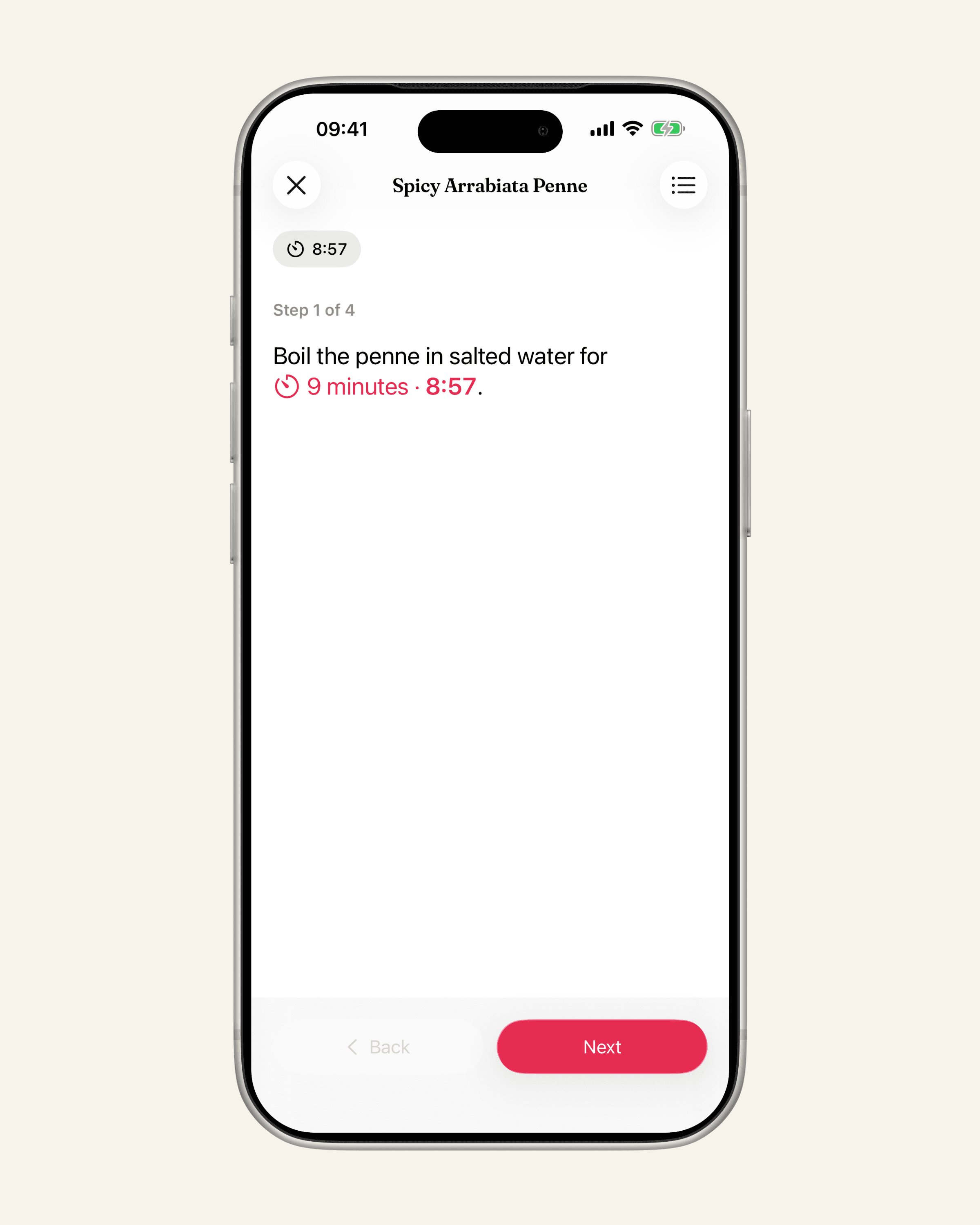
Cooking for a crowd from a family recipe? Digitizing grandma's cookbook gets the old cards into a form you can scale. Cooking smaller for two? Five cheap dinners for two uses exactly this to turn recipes for 4 into dinners for 2.
Frequently asked questions
How do I convert a recipe from 4 servings to 6?
Multiply every amount by 1.5, which is 6 divided by 4. Round grams to the nearest 5 or 10, keep spoons to fractions you own, and count eggs whole.
How do I halve a recipe with 3 eggs?
Beat the 3 eggs, weigh them, and use half by weight. For savoury, forgiving dishes, rounding to 2 eggs is fine.
Do I double the baking time when I double a recipe?
No. Time depends on depth and heat. Bake at the original temperature, check at the original time, and give a deeper pan longer.
Should I double the spices?
Scale them with everything else, but hold back the last part of the salt and chilli and taste first, especially in a large pot.
Photo credits
- penne rigate: Pennelisce closeup.png, by Popo le Chien, Wikimedia Commons, CC0
- olive oil: Oliven V1.jpg, by Poyraz 72, Wikimedia Commons, CC BY-SA 4.0
- red chilli flakes: Chilli flakes.jpg, by Takeaway, Wikimedia Commons, CC BY-SA 4.0
- italian seasoning: Italian Herb Mix, Penzeys Spices, Arlington Heights MA.jpg, by John Phelan, Wikimedia Commons, CC BY-SA 3.0
- Parmigiano-Reggiano: Parmesan cheese 20.jpg, by Weekend2, Wikimedia Commons, CC BY-SA 4.0
- Vegetable Oil: Olive oil from Oneglia.jpg, by Lemone, Wikimedia Commons, CC BY-SA 4.0
- Garam Masala: Garammasalaphoto.jpg, by Badagnani, Wikimedia Commons, CC BY 3.0
- Kidney Beans: Kidney beans 2.jpg, by Tiia Monto, Wikimedia Commons, CC BY-SA 4.0
- Basmati Rice: Basmati rice in Bangladesh.jpg, by Mashkawat.ahsan, Wikimedia Commons, CC BY-SA 4.0
- Flour: Atta flour.jpg, by Nga Ahorangi, Wikimedia Commons, CC BY-SA 4.0
- Sunflower Oil: Sunflower oil and sunflower.jpg, by torange.biz, Wikimedia Commons, CC BY 4.0